
 Português
Who we are
About Us
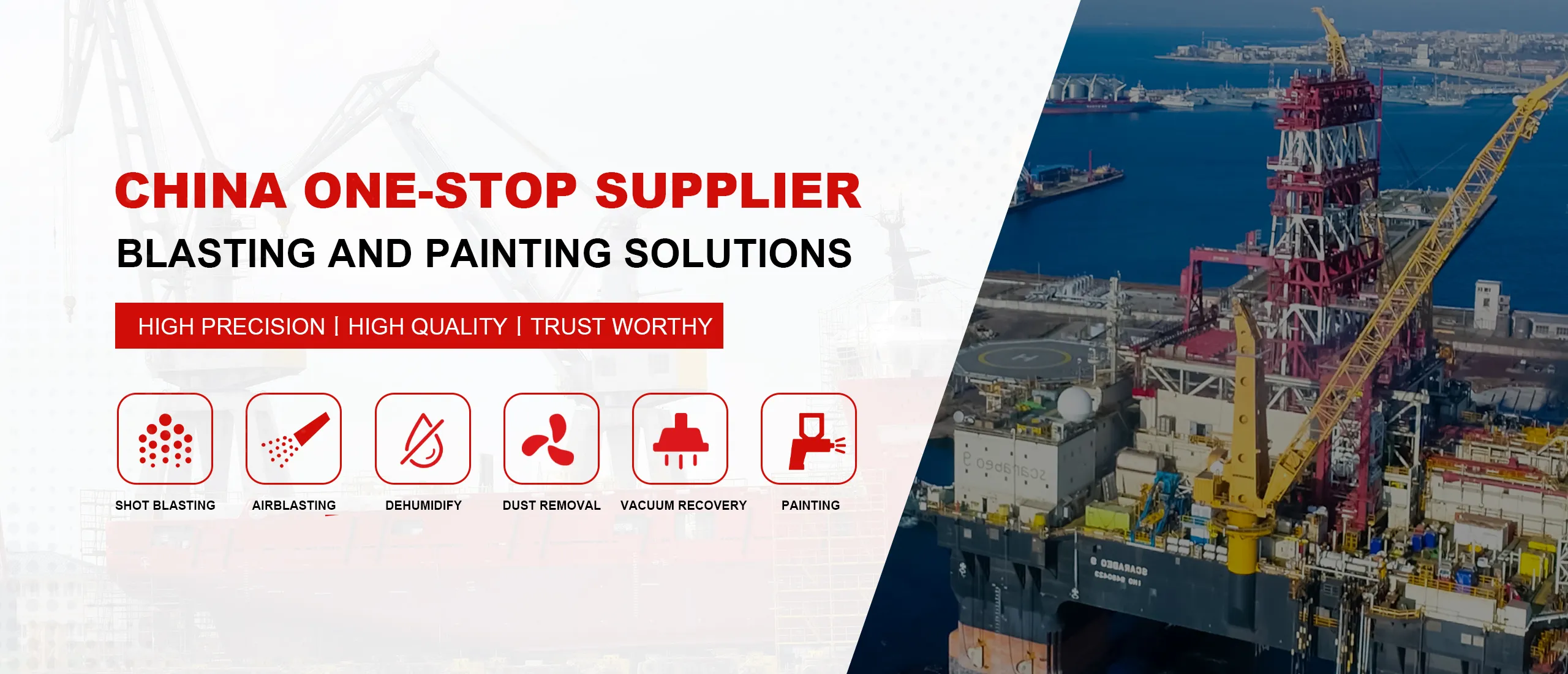
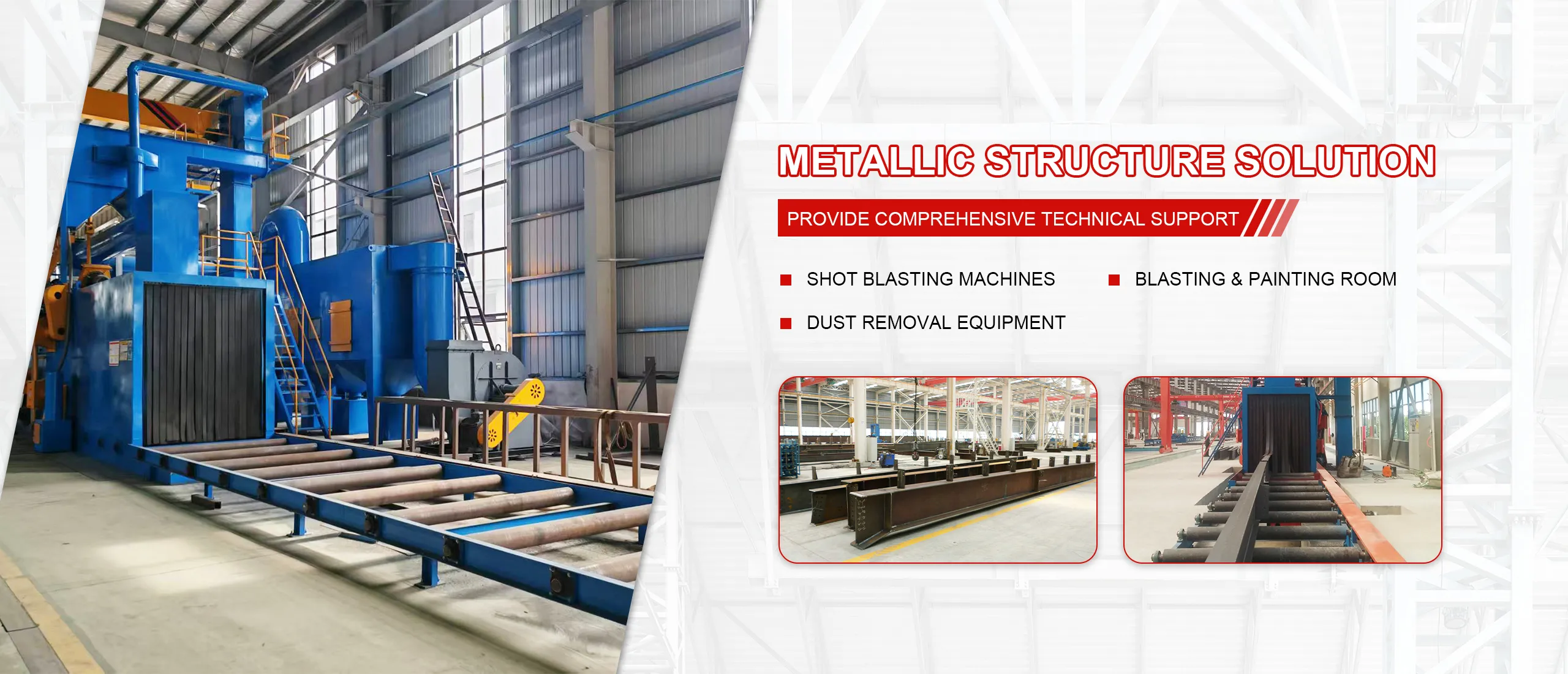
Specializing in surface preparation application, KHOLEE BLAST integrates China’s premium blasting & painting technologies and serves as a "China one - stop provider" for blasting and painting solutions across a wide range of industries, including shipbuilding, oil & gas, offshore engineering, steel structures, automotive, and foundry.
With over 15 years of engineering expertise, our innovation - driven designs are tailored to maximize operational efficiency and sustainability for industrial partners around the world.


Industry Applications





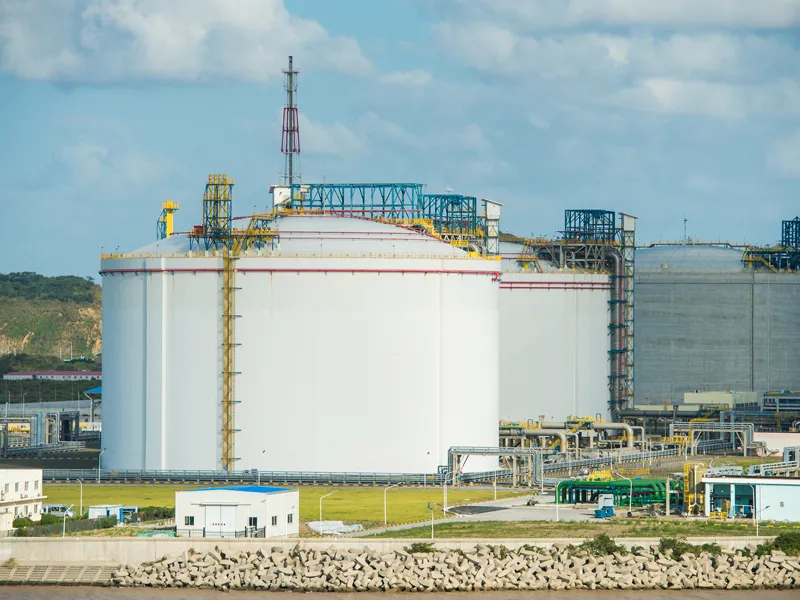

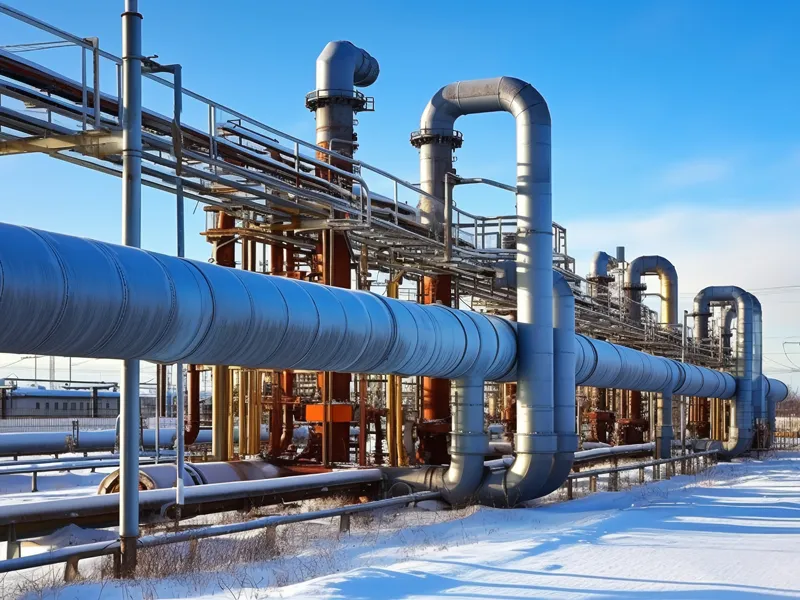

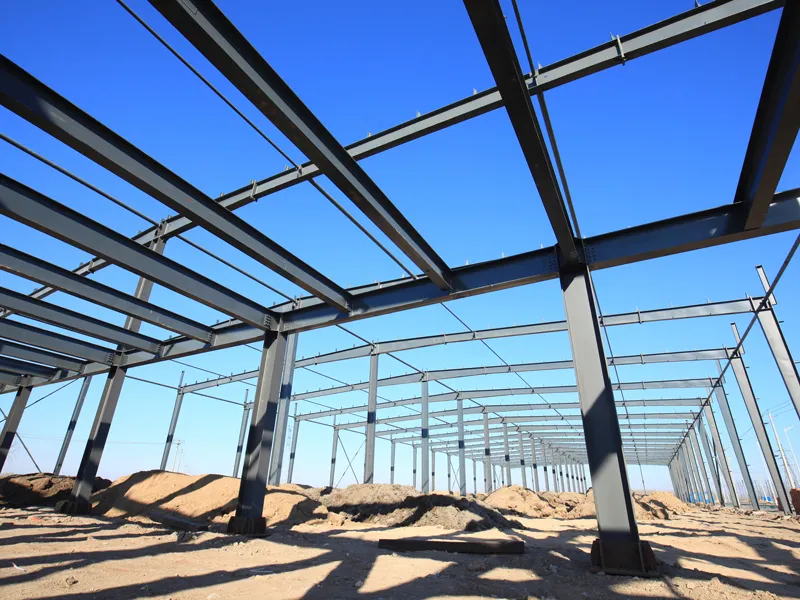

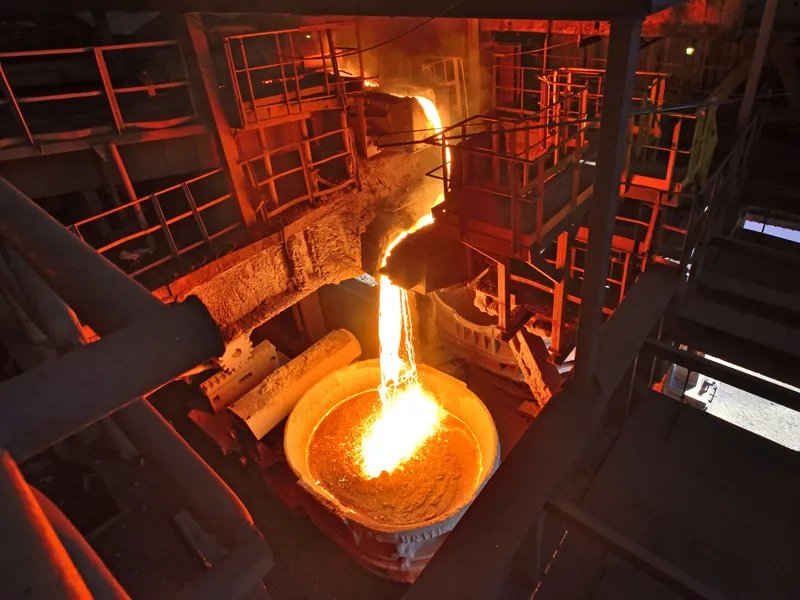
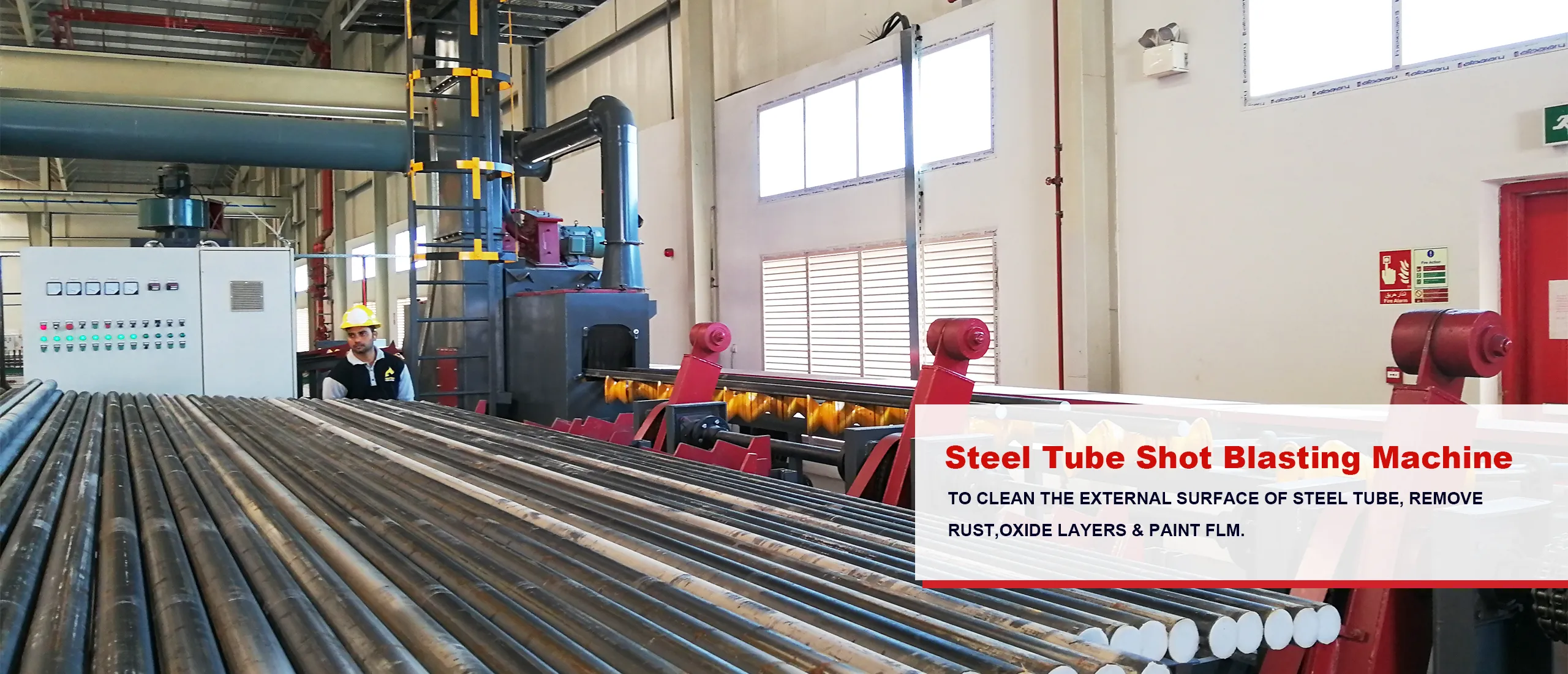
Shot Blasting Machine


.webp?x-oss-process=image/resize,w_459/quality,q_100)

.webp?x-oss-process=image/resize,w_459/quality,q_100)
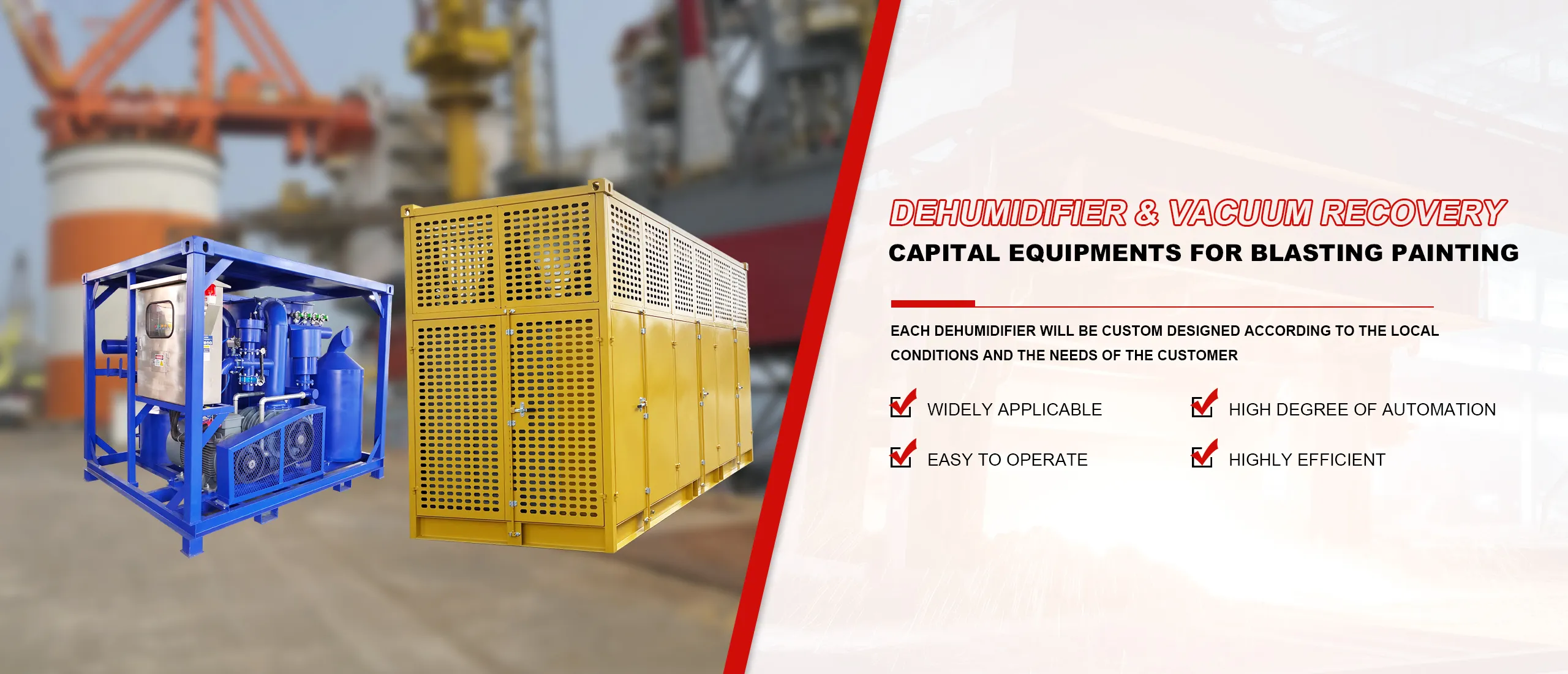
Dehumidifier


.webp?x-oss-process=image/resize,w_298/quality,q_100)
Vacuum Recovery


Call to Action
Fill out the form to contact us, We promise to respond to you quickly.
Case
.webp?x-oss-process=image/resize,w_538/quality,q_100)
.webp?x-oss-process=image/resize,w_538/quality,q_100)
.webp?x-oss-process=image/resize,w_538/quality,q_100)
.webp?x-oss-process=image/resize,w_538/quality,q_100)
News

11-12-2025
What materials can be used as abrasives in a shot blasting machine?
Shot blasting machines, as a type of industrial surface treatment equipment, are widely used in the surface cleaning, rust removal, and surface strengthening of various materials such as metals, concrete, and plastics. Shot blasting machines effectively remove rust, oxide layers, oil stains, and other impurities from the surface of workpieces by impacting them with high-speed abrasive particles. They also improve the surface hardness of materials and extend their service life. However, after prolonged high-intensity operation, shot blasting machines may experience malfunctions or performance degradation due to abrasive wear, mechanical component wear, and equipment aging. Therefore, regular and effective maintenance is crucial to ensure the stable operation, improved efficiency, and extended service life of the shot blasting machine.Maintenance of shot blasting machines mainly includes daily maintenance, regular inspections, management of abrasives and components, cleaning, and lubrication. The following sections will detail how to maintain a shot blasting machine from these aspects. 1. Daily MaintenanceDaily maintenance is the foundation for maintaining the good operating condition of the shot blasting machine. Operators should perform regular inspections and simple daily maintenance to ensure the efficient operation of the machine.(1) Checking the Abrasive and Feeding SystemThe condition of the abrasive used in the shot blasting machine directly affects the surface treatment effect and the machine's operating efficiency. Regularly checking the abrasive consumption and preventing abrasive blockage or uneven distribution can improve the efficiency and effectiveness of shot blasting. In particular, ensure that the abrasive particle size meets the requirements; abrasives that are too large or too small may affect the shot blasting effect.At the same time, the abrasive feeding system should also be checked. Ensure that there is no accumulation or blockage in the abrasive hopper, and that the abrasive conveying pipes are free from leaks or blockages.(2) Checking the Blasting DeviceThe blasting device is one of the key components of the shot blasting machine, including the blasting wheel and nozzle. The blasting wheel and nozzle are the main components that accelerate and blast the abrasive onto the workpiece surface, so their wear should be checked regularly.Blasting wheel inspection: Check whether the blasting wheel is excessively worn, loose, or damaged. The blasting wheel is subjected to the impact of abrasives during operation, and as the usage time increases, the surface of the blades will gradually wear, affecting the shot blasting effect. Therefore, regularly checking the blasting wheel and replacing worn parts promptly is very important. Nozzle Inspection: Nozzle wear directly affects the uniformity and impact force of abrasive blasting. Check for blockages or excessive wear in the nozzle. If the nozzle is severely worn, it may need to be replaced promptly.(3) Cleaning the Exterior of the Shot Blasting MachineA large amount of dust and waste is generated during the shot blasting process, so it is necessary to keep the exterior of the shot blasting machine clean. Regularly clean the machine's casing, work chamber, and recovery system to prevent dust and dirt accumulation, which can affect the normal operation of the equipment.(4) Checking the Control SystemShot blasting machines are usually equipped with an automated control system to adjust parameters such as blasting pressure, blasting speed, and abrasive flow rate. Check that the control system is functioning correctly, that the display screen on the control panel is clear, that the buttons and switches are responsive, and that the cables and electrical components are intact. Any electrical fault may affect the normal operation of the machine. 2. Regular Inspection and MaintenanceRegular inspection and maintenance are key to ensuring the long-term stable operation of the shot blasting machine. In addition to daily basic maintenance, operators also need to regularly conduct comprehensive inspections and adjustments of the equipment.(1) Checking the Abrasive Recovery SystemThe abrasive recovery system is a very important part of the shot blasting machine. This system recovers the abrasive material that falls after blasting, allowing it to be reused, saving on abrasive costs and ensuring efficient machine operation. Regularly check all components of the recovery system, including screens, conveying devices, and recovery pipes, to ensure they are not blocked, worn, or damaged. Pay particular attention to checking the air system of the recovery system to ensure that the fan is operating normally and to avoid reduced recovery efficiency.(2) Checking the Dust Removal SystemShot blasting machines generate a large amount of dust during operation. Without a good dust removal system, dust will spread in the factory environment, affecting the health of operators and polluting the working environment. Regularly check the dust removal system to ensure that the dust collector, filter screen, and exhaust pipes are working properly. Special attention should be paid to replacing aging filter screens or damaged dust collectors.(3) Checking the Hydraulic and Pneumatic SystemsSome shot blasting machines use hydraulic or pneumatic devices to drive the blasting wheel or other key components. Regularly check the hydraulic or pneumatic system to ensure that the oil or gas pressure meets the specified requirements. Problems with the hydraulic oil or air source may cause the blasting device to malfunction, affecting the shot blasting effect. (4) Inspection of the Mechanical Transmission SystemThe mechanical transmission system of the shot blasting machine includes components such as the motor, reducer, chain, and gears. Regularly inspect the operating condition of these mechanical parts to ensure there is no looseness, wear, or lack of lubrication. If the transmission components malfunction, it will directly affect the operating efficiency and stability of the machine.(5) Lubrication and MaintenanceMany mechanical components of the shot blasting machine, such as the blasting wheel, transmission system, and bearings, require regular lubrication. The quality and frequency of lubrication directly affect the operating efficiency and lifespan of the equipment. Therefore, regularly check the lubrication system, replace the lubricating oil in a timely manner, and maintain the lubrication status of each mechanical component to prevent premature wear of parts due to excessive friction. 3. Abrasive Management and UseThe abrasive material in the shot blasting machine will wear out during use, so effective management of the abrasive material is necessary.(1) Selection and Control of Abrasive MaterialChoosing the right abrasive material is crucial for the effectiveness of shot blasting. Different types of workpieces and surface treatment requirements require different types of abrasive materials. Operators need to select the appropriate abrasive material based on the material of the workpiece, surface requirements, etc., and strictly control the particle size and quality of the abrasive material.(2) Regular Screening and Cleaning of Abrasive MaterialAs the usage time increases, the abrasive material will gradually wear out and become contaminated. Regularly screen and clean the abrasive material to remove excessively worn particles and impurities, ensuring the particle size and quality of the abrasive material. Screening and cleaning the abrasive material not only improves the shot blasting effect but also reduces abrasive waste and extends the service life of the abrasive material.(3) Abrasive Material Recycling and StorageThe abrasive material recycling system can recover and reuse the abrasive material after blasting, but not all abrasive material can be completely recycled. The recycling efficiency of the abrasive material recycling system should be checked regularly to prevent abrasive material loss during the recycling process. When storing abrasive material, avoid moisture and contamination, keeping the abrasive material dry and clean to ensure its performance and effectiveness. 4. Regular Replacement of Key ComponentsAfter long-term operation, some key components of the shot blasting machine may lose their original performance due to wear and aging, resulting in decreased equipment efficiency. Regularly replacing these key components can prevent equipment failure and downtime. (1) Replacement of the Impeller and NozzleThe impeller and nozzle are the most easily worn parts of the shot blasting machine, especially under prolonged high-intensity operation. When the wear of the impeller or nozzle reaches a certain level, they must be replaced promptly to ensure the stability and consistency of the shot blasting effect.(2) Inspection and Replacement of Electrical ComponentsThe electrical components of the shot blasting machine, including motors, switches, cables, sensors, etc., may experience aging and malfunctions after prolonged use. Regularly inspect the electrical components to ensure their proper functioning. If any electrical parts are found to be damaged, they should be replaced promptly. 5. Equipment CleaningThe shot blasting machine generates a large amount of dust, abrasive debris, and metal shavings during operation. These substances not only affect the shot blasting effect but also lead to premature wear of the equipment. Therefore, regular and thorough cleaning of the shot blasting machine is essential.(1) Regular Cleaning of the Working Chamber and ExteriorRegularly clean the working chamber and exterior of the shot blasting machine to remove accumulated dust and dirt, ensuring that the inside of the shot blasting machine is unobstructed and free from blockages. Particular attention should be paid to critical parts such as the impeller and recovery system, ensuring they are free from material buildup and blockages.(2) Cleaning the Surrounding Environment of the Shot Blasting MachineThe shot blasting machine generates a large amount of dust during operation; therefore, the surrounding environment should be cleaned regularly to maintain a clean work area. SummaryMaintenance of the shot blasting machine covers all aspects of the equipment, including daily inspections, regular maintenance, abrasive management, lubrication, and replacement of key components. Regular and scientific maintenance can improve the working efficiency of the shot blasting machine, extend its service life, and ensure the stability of the surface treatment effect. Operators should develop a reasonable maintenance plan based on factors such as equipment usage frequency and working environment to ensure the stable operation of the shot blasting machine and achieve optimal working condition.

11-04-2025
How to choose a abrasive vacuum recovery system that suits your needs?
In industrial production, the selection of an abrasive vacuum recovery system is crucial for improving work efficiency, reducing production costs, improving the working environment, and meeting environmental protection requirements. Choosing an abrasive vacuum recovery system that suits your needs can not only improve resource utilization and reduce abrasive waste, but also help enterprises meet environmental standards and reduce labor intensity. However, the wide variety of abrasive vacuum recovery systems on the market makes many companies confused when purchasing. This article will analyze in detail from multiple perspectives how to choose a suitable abrasive vacuum recovery system based on the actual needs of the enterprise. I. Clarifying the Operating Environment and RequirementsThe first step in choosing an abrasive vacuum recovery system is to clarify the operating environment and actual needs. The requirements of each industrial production environment are different, so the selection of the recovery system should be determined according to the specific application scenario. The following are several key factors:1. Working EnvironmentThe working environment directly affects the requirements for the abrasive recovery system. Different working environments have different requirements for the function and performance of the recovery system. For example:Humidity: If the working environment has high humidity (such as during sandblasting processes that often use water-based media), choosing a system with moisture-proof and corrosion-resistant functions is particularly important. Excessive humidity may affect the operating efficiency of the system and cause damage to pipes and filters.Temperature: When used in a high-temperature environment, it is necessary to choose an abrasive recovery system with high temperature resistance and good stability. High temperatures can have a significant impact on internal components of the equipment such as motors, vacuum pumps, and piping systems.Dust Concentration: In a working environment with high dust concentration, it is very important to choose a recovery system with strong filtration capabilities to ensure that harmful substances in the air are effectively removed and pollution of the work area is avoided.2. Types of AbrasivesDifferent types of abrasives have different requirements for the design of the abrasive recovery system. Common abrasives include steel grit, aluminum grit, glass beads, ceramic grit, and plastic particles. These abrasives have different characteristics such as density, hardness, and particle size. When choosing a recovery system, the following should be considered:Abrasive Particle Size: Abrasives of different particle sizes have different requirements for the filtration system. Larger abrasive particles may require coarser filter screens, while fine particles require more sophisticated filtration technology.Abrasive Hardness: Abrasives with higher hardness will cause greater wear on pipes and equipment, so it is necessary to choose pipes and collectors with strong wear resistance. Abrasive Characteristics: Some abrasives (such as aluminum oxide) may have strong hygroscopic or corrosive properties. In this case, the system's pipes, filters, and other components need to have corresponding corrosion resistance.3. Recovery VolumeDifferent production processes have different requirements for abrasive recovery volume. For large-scale production lines, a system with a larger processing capacity may be needed to handle a higher recovery load, while for small and medium-sized operations, a smaller system may be sufficient. The system's recovery capacity (i.e., the recovery volume per hour) directly affects the company's production efficiency and the continuous operation capability of the equipment. II. Considering Equipment Performance IndicatorsIn addition to the working environment and abrasive type, when choosing an abrasive vacuum recovery system, you should also pay attention to its various performance indicators to ensure that the equipment meets production requirements. The following are some key performance indicators:1. Vacuum SuctionVacuum suction is the core parameter of the abrasive recovery system. It determines whether the abrasive can be smoothly sucked from the working area and transported to the collector. The magnitude of the vacuum suction determines the recovery efficiency and the cleanliness of the working area. When choosing, the appropriate suction should be selected according to the actual working environment and abrasive type. For example, more complex working areas or finer abrasive particles may require stronger suction.2. Effectiveness of the Filtration SystemThe filtration efficiency of the abrasive recovery system directly affects the quality and recovery effect of the abrasive. An efficient filtration system can effectively remove dust, oil stains, and metal shavings from the abrasive, ensuring that the quality of the recovered abrasive is not affected. When choosing, the following aspects should be considered:Filtration accuracy: Different types of abrasives and impurities have different requirements for filtration accuracy. A precise filtration system (such as a HEPA filter) can capture smaller particles and is suitable for fine-grained abrasives or precision operations.Ease of filter replacement and cleaning: During long-term use, filters tend to accumulate impurities, and regular replacement or cleaning of the filters is key to maintaining the efficient operation of the equipment. When choosing, ensure that filter replacement and cleaning are convenient and do not consume too much time.3. Degree of System AutomationA highly automated abrasive recovery system can reduce manual operation and improve work efficiency. Modern recovery systems are usually equipped with intelligent control systems that can monitor the operating status of the equipment in real time, automatically adjust parameters such as suction and filtration efficiency, and ensure that the equipment operates in the optimal state. For large-scale manufacturing enterprises, automated control systems can not only improve production efficiency but also reduce the labor intensity and technical requirements for operators.4. Noise LevelThe noise level of the abrasive vacuum recovery system may affect the working environment of the workers. High-noise systems can interfere with the normal operation of workers and even cause damage to their hearing. Therefore, when choosing a system, it is very important to consider noise control and reducing equipment noise.5. Energy EfficiencyWith the increasing environmental protection requirements, energy efficiency has become a factor that must be considered when choosing an abrasive recovery system. Choosing a high-efficiency recovery system can not only save energy costs but also comply with energy conservation and emission reduction environmental policies. Generally, the energy efficiency of a system is reflected in the power consumption of its motor, the working efficiency of the pump, and the ratio of suction to energy consumption. III. Considering Equipment Maintenance and Operating CostsWhen choosing an abrasive vacuum recovery system, it is necessary to evaluate not only the initial purchase cost but also the maintenance and operating costs of the equipment.1. Equipment MaintenanceMaintenance of the abrasive recovery system is crucial to ensuring the long-term stable operation of the system. Whether the system components are prone to wear and tear, whether the filters need frequent replacement, and whether the pipes are easily blocked will directly affect the maintenance costs of the equipment. When choosing, priority should be given to system components that are easy to clean, replace, and repair, ensuring that maintenance work will not be too cumbersome and costly during long-term use.2. Consumable CostsAbrasive recovery systems usually involve the replacement of consumables such as filter elements, pipes, and seals. When choosing, attention should be paid to the replacement cycle, price, and supply of these consumables. When purchasing a system, it is recommended to ask the equipment manufacturer or supplier for detailed information about these consumables to ensure that the company will not face excessively high consumable costs in future operations.3. Operator Training and AdaptabilityDifferent abrasive recovery systems may differ in operation. Choosing equipment that is easy to operate and has a short training period can reduce the training time and learning difficulty for operators. In addition, the adaptability of the equipment is also a key factor in selection, especially in multiple production processes, the flexibility and adjustability of the equipment will directly affect its use effect. IV. Other Factors to Consider When ChoosingIn addition to the above technical requirements, the following aspects should also be considered when choosing an abrasive vacuum recovery system:1. Equipment SafetyThe equipment involved in abrasive recovery systems usually operates under high pressure and negative pressure conditions, so its safety is crucial. When selecting a system, ensure it has necessary safety protection devices, such as overload protection, overheating protection, and automatic fault alarms, to ensure the safety of operators and equipment.2. Supplier's Technical Support and After-Sales ServiceAfter-sales service and technical support are crucial aspects when purchasing an abrasive recovery system. Choosing a supplier with a good reputation and the ability to provide timely response and repair services ensures that the equipment can be quickly restored to operation in case of failure, reducing downtime. Furthermore, consider whether the supplier provides value-added services such as equipment installation, commissioning, and operator training.3. System ScalabilityAs production scales expand, companies may need to expand or upgrade their abrasive recovery systems. Therefore, consider the system's scalability, whether it can add additional recovery capacity or equipment components based on actual needs. V. ConclusionChoosing an abrasive vacuum recovery system that suits your needs is a comprehensive decision that requires considering multiple factors such as the working environment, abrasive type, recovery volume, equipment performance, and maintenance costs. By fully understanding the characteristics, performance indicators, and usage requirements of different systems, companies can choose the most suitable recovery system for their production needs, thereby improving production efficiency, reducing resource waste, lowering environmental pressure, and ensuring a safe and clean production environment. A rational selection of an abrasive recovery system not only helps companies save costs but also lays a solid foundation for future production development.
READ MOREIn industrial production, the selection of an abrasive vacuum recovery system is crucial for improving work efficiency, reducing production costs, improving the working environment, and meeting environmental protection requirements. Choosing an abrasive vacuum recovery system that suits your needs can not only improve resource utilization and reduce abrasive waste, but also help enterprises meet environmental standards and reduce labor intensity. However, the wide variety of abrasive vacuum recovery systems on the market makes many companies confused when purchasing. This article will analyze in detail from multiple perspectives how to choose a suitable abrasive vacuum recovery system based on the actual needs of the enterprise. I. Clarifying the Operating Environment and RequirementsThe first step in choosing an abrasive vacuum recovery system is to clarify the operating environment and actual needs. The requirements of each industrial production environment are different, so the selection of the recovery system should be determined according to the specific application scenario. The following are several key factors:1. Working EnvironmentThe working environment directly affects the requirements for the abrasive recovery system. Different working environments have different requirements for the function and performance of the recovery system. For example:Humidity: If the working environment has high humidity (such as during sandblasting processes that often use water-based media), choosing a system with moisture-proof and corrosion-resistant functions is particularly important. Excessive humidity may affect the operating efficiency of the system and cause damage to pipes and filters.Temperature: When used in a high-temperature environment, it is necessary to choose an abrasive recovery system with high temperature resistance and good stability. High temperatures can have a significant impact on internal components of the equipment such as motors, vacuum pumps, and piping systems.Dust Concentration: In a working environment with high dust concentration, it is very important to choose a recovery system with strong filtration capabilities to ensure that harmful substances in the air are effectively removed and pollution of the work area is avoided.2. Types of AbrasivesDifferent types of abrasives have different requirements for the design of the abrasive recovery system. Common abrasives include steel grit, aluminum grit, glass beads, ceramic grit, and plastic particles. These abrasives have different characteristics such as density, hardness, and particle size. When choosing a recovery system, the following should be considered:Abrasive Particle Size: Abrasives of different particle sizes have different requirements for the filtration system. Larger abrasive particles may require coarser filter screens, while fine particles require more sophisticated filtration technology.Abrasive Hardness: Abrasives with higher hardness will cause greater wear on pipes and equipment, so it is necessary to choose pipes and collectors with strong wear resistance. Abrasive Characteristics: Some abrasives (such as aluminum oxide) may have strong hygroscopic or corrosive properties. In this case, the system's pipes, filters, and other components need to have corresponding corrosion resistance.3. Recovery VolumeDifferent production processes have different requirements for abrasive recovery volume. For large-scale production lines, a system with a larger processing capacity may be needed to handle a higher recovery load, while for small and medium-sized operations, a smaller system may be sufficient. The system's recovery capacity (i.e., the recovery volume per hour) directly affects the company's production efficiency and the continuous operation capability of the equipment. II. Considering Equipment Performance IndicatorsIn addition to the working environment and abrasive type, when choosing an abrasive vacuum recovery system, you should also pay attention to its various performance indicators to ensure that the equipment meets production requirements. The following are some key performance indicators:1. Vacuum SuctionVacuum suction is the core parameter of the abrasive recovery system. It determines whether the abrasive can be smoothly sucked from the working area and transported to the collector. The magnitude of the vacuum suction determines the recovery efficiency and the cleanliness of the working area. When choosing, the appropriate suction should be selected according to the actual working environment and abrasive type. For example, more complex working areas or finer abrasive particles may require stronger suction.2. Effectiveness of the Filtration SystemThe filtration efficiency of the abrasive recovery system directly affects the quality and recovery effect of the abrasive. An efficient filtration system can effectively remove dust, oil stains, and metal shavings from the abrasive, ensuring that the quality of the recovered abrasive is not affected. When choosing, the following aspects should be considered:Filtration accuracy: Different types of abrasives and impurities have different requirements for filtration accuracy. A precise filtration system (such as a HEPA filter) can capture smaller particles and is suitable for fine-grained abrasives or precision operations.Ease of filter replacement and cleaning: During long-term use, filters tend to accumulate impurities, and regular replacement or cleaning of the filters is key to maintaining the efficient operation of the equipment. When choosing, ensure that filter replacement and cleaning are convenient and do not consume too much time.3. Degree of System AutomationA highly automated abrasive recovery system can reduce manual operation and improve work efficiency. Modern recovery systems are usually equipped with intelligent control systems that can monitor the operating status of the equipment in real time, automatically adjust parameters such as suction and filtration efficiency, and ensure that the equipment operates in the optimal state. For large-scale manufacturing enterprises, automated control systems can not only improve production efficiency but also reduce the labor intensity and technical requirements for operators.4. Noise LevelThe noise level of the abrasive vacuum recovery system may affect the working environment of the workers. High-noise systems can interfere with the normal operation of workers and even cause damage to their hearing. Therefore, when choosing a system, it is very important to consider noise control and reducing equipment noise.5. Energy EfficiencyWith the increasing environmental protection requirements, energy efficiency has become a factor that must be considered when choosing an abrasive recovery system. Choosing a high-efficiency recovery system can not only save energy costs but also comply with energy conservation and emission reduction environmental policies. Generally, the energy efficiency of a system is reflected in the power consumption of its motor, the working efficiency of the pump, and the ratio of suction to energy consumption. III. Considering Equipment Maintenance and Operating CostsWhen choosing an abrasive vacuum recovery system, it is necessary to evaluate not only the initial purchase cost but also the maintenance and operating costs of the equipment.1. Equipment MaintenanceMaintenance of the abrasive recovery system is crucial to ensuring the long-term stable operation of the system. Whether the system components are prone to wear and tear, whether the filters need frequent replacement, and whether the pipes are easily blocked will directly affect the maintenance costs of the equipment. When choosing, priority should be given to system components that are easy to clean, replace, and repair, ensuring that maintenance work will not be too cumbersome and costly during long-term use.2. Consumable CostsAbrasive recovery systems usually involve the replacement of consumables such as filter elements, pipes, and seals. When choosing, attention should be paid to the replacement cycle, price, and supply of these consumables. When purchasing a system, it is recommended to ask the equipment manufacturer or supplier for detailed information about these consumables to ensure that the company will not face excessively high consumable costs in future operations.3. Operator Training and AdaptabilityDifferent abrasive recovery systems may differ in operation. Choosing equipment that is easy to operate and has a short training period can reduce the training time and learning difficulty for operators. In addition, the adaptability of the equipment is also a key factor in selection, especially in multiple production processes, the flexibility and adjustability of the equipment will directly affect its use effect. IV. Other Factors to Consider When ChoosingIn addition to the above technical requirements, the following aspects should also be considered when choosing an abrasive vacuum recovery system:1. Equipment SafetyThe equipment involved in abrasive recovery systems usually operates under high pressure and negative pressure conditions, so its safety is crucial. When selecting a system, ensure it has necessary safety protection devices, such as overload protection, overheating protection, and automatic fault alarms, to ensure the safety of operators and equipment.2. Supplier's Technical Support and After-Sales ServiceAfter-sales service and technical support are crucial aspects when purchasing an abrasive recovery system. Choosing a supplier with a good reputation and the ability to provide timely response and repair services ensures that the equipment can be quickly restored to operation in case of failure, reducing downtime. Furthermore, consider whether the supplier provides value-added services such as equipment installation, commissioning, and operator training.3. System ScalabilityAs production scales expand, companies may need to expand or upgrade their abrasive recovery systems. Therefore, consider the system's scalability, whether it can add additional recovery capacity or equipment components based on actual needs. V. ConclusionChoosing an abrasive vacuum recovery system that suits your needs is a comprehensive decision that requires considering multiple factors such as the working environment, abrasive type, recovery volume, equipment performance, and maintenance costs. By fully understanding the characteristics, performance indicators, and usage requirements of different systems, companies can choose the most suitable recovery system for their production needs, thereby improving production efficiency, reducing resource waste, lowering environmental pressure, and ensuring a safe and clean production environment. A rational selection of an abrasive recovery system not only helps companies save costs but also lays a solid foundation for future production development.

11-05-2025
What is an abrasive vacuum recovery system, and how does it work?
Abrasive vacuum recovery systems are specialized equipment systems used for recovering abrasives in industrial cleaning and production processes. They are widely used in sandblasting, shot blasting, polishing, coating, metal surface treatment, and other fields. This system recovers abrasives through vacuum suction, effectively reducing resource waste, improving work efficiency, and ensuring a clean and safe working environment. Abrasive vacuum recovery systems not only optimize production processes but also have significant environmental benefits, making them an important component of industrial automation and resource conservation. I. Definition of Abrasive Vacuum Recovery SystemAn abrasive vacuum recovery system is a device that utilizes the principle of vacuum to suck in and recover abrasives used in processes such as sandblasting, polishing, and shot blasting, preventing these abrasives from being wasted or dispersed into the air. Its core function is to suck the used abrasives from the work area, filter them, clean them, and then recycle them for reuse, reducing abrasive consumption.This system typically consists of several key components, including a vacuum generator (pump), dust collector, abrasive collector, filter screen, piping system, and control system. Its design principle is usually based on vacuum suction and negative pressure operation. The system uses pipes and a vacuum system to suck the abrasives into the collector, then separates impurities from the abrasives through a cleaning and filtering system, and finally returns the cleaned abrasives for reuse. II. Working Principle of Abrasive Vacuum Recovery SystemThe working principle of an abrasive vacuum recovery system can be divided into several main steps:Vacuum Suction GenerationThe core working principle of the abrasive vacuum recovery system is the generation of negative pressure by a vacuum pump (or vacuum generator). The vacuum pump, driven by electricity, generates powerful suction. Under the action of negative pressure, the abrasives in the work area are sucked into the system. These abrasives may come from sandblasting equipment, shot blasting machines, or other similar mechanical devices. The negative pressure not only effectively sucks the abrasives into the collection system but also absorbs dust and impurities from the air.Abrasive Suction and TransportationThrough dedicated suction pipes, nozzles, or suction ports, the abrasives are sucked into the piping system and transported through the pipes to the dust collector or abrasive collector. The pipes usually have a large diameter to ensure that they can accommodate a large amount of abrasive material and prevent clogging. Due to the relatively large particle size of the abrasive material, the pipeline design usually needs to have strong wear resistance and ensure the stability of suction to ensure that the abrasive material can be quickly and efficiently transported to the collection area.Abrasive Separation and FiltrationOnce the abrasive material is sucked into the system, the next crucial step is to separate and filter impurities from the abrasive material. Most abrasive recovery systems are equipped with filtration systems, such as multi-stage filters and cyclone separators. These filtration devices can effectively remove dust, waste, impurities, and other contaminants from the abrasive material, ensuring that the recovered abrasive material maintains a high degree of purity.The filtration system typically uses physical separation methods to separate impurities from the abrasive material through multi-layer mesh filter elements, activated carbon filter elements, and other materials. After filtration, the clean abrasive material can be recycled and sent back to the sandblasting equipment for reuse, reducing abrasive material loss.Abrasive Recovery and ReuseThe filtered abrasive material is transported to an abrasive storage bin or recovery tank for the next round of use. The abrasive particles are collected and stored for subsequent sandblasting work. In some advanced systems, the abrasive material may be further processed through vibration, cleaning, and other means to ensure its quality and extend its service life.Emission and Air PurificationTo ensure clean air during system operation, abrasive vacuum recovery systems are usually equipped with air purification devices, such as high-efficiency air filters and dust collectors, to ensure that tiny dust particles in the air are not discharged into the environment, meeting environmental protection requirements. This not only helps maintain a clean production environment but also improves worker health and safety. III. Key Components of the Abrasive Vacuum Recovery SystemVacuum PumpThe vacuum pump is the core component of the abrasive vacuum recovery system. It is responsible for generating negative pressure and suction, thereby sucking in and transporting the abrasive material. The performance of the vacuum pump directly determines the efficiency and suction power of the system. The appropriate pump type, such as a dry vacuum pump or liquid ring vacuum pump, should be selected based on the requirements of the working environment.Collector and ContainerThe collector or container is the storage part of the abrasive recovery system, used to temporarily store the abrasive material sucked in from the work area. These containers are usually designed with a sealed structure, can withstand a certain amount of wear, and have features that facilitate cleaning and replacement.Filtration SystemThe filtration system is a crucial link in ensuring the purity of the recovered abrasive material. Common filtration devices include cyclone separators, bag filters, and HEPA high-efficiency filters. These filters effectively remove dust, debris, and other contaminants from the abrasive material, ensuring that the recovered abrasive meets quality requirements.Piping SystemThe piping system transports the aspirated abrasive material from the work area to the collector. To prevent clogging or damage to the pipes during transport, the pipes are typically made of wear-resistant materials, and the piping design needs to be flexible to adapt to complex working environments.Control SystemAbrasive vacuum recovery systems are usually equipped with an automated control system to monitor and regulate the system's operating status. This includes functions such as negative pressure monitoring, filter system cleaning reminders, and abrasive storage monitoring. High-end systems may also be equipped with intelligent control modules for remote monitoring and automatic adjustment. IV. Application Areas of Abrasive Vacuum Recovery SystemsAbrasive vacuum recovery systems are widely used in industrial fields requiring abrasive recovery and management, particularly in surface treatment and cleaning. Some major application areas include:SandblastingSandblasting is a common surface treatment process often used for cleaning, polishing, and rust removal of materials such as metal, stone, and glass. During sandblasting, abrasive material is continuously used and scattered into the air. An abrasive vacuum recovery system collects and reuses this abrasive material, significantly reducing waste.Shot PeeningShot peening is a process that improves the hardness and strength of metal surfaces by high-speed spraying of small abrasive particles, widely used in the aerospace and automotive manufacturing industries. The large amount of abrasive dust generated during shot peening not only wastes resources but also affects the cleanliness of the working environment. An abrasive vacuum recovery system efficiently recovers and reuses the abrasive material used in the shot peening process.Machining and CleaningIn some machining processes (such as casting and metal cutting), the use of abrasives is very common. An abrasive vacuum recovery system can recover the abrasive material used during processing and reduce the discharge of post-processing waste. In addition, the system effectively maintains a clean working environment, preventing abrasive material from scattering into the work area, thereby reducing cleaning costs and time.Powder CoatingPowder coating is another common coating method, widely used in the automotive and home appliance industries. Abrasive vacuum recovery systems can recover abrasive materials scattered during the coating process, preventing paint contamination of the environment and improving resource utilization. V. Advantages of Abrasive Vacuum Recovery SystemsResource SavingAbrasive vacuum recovery systems effectively reduce the waste of abrasive materials. The recovered abrasives can be cleaned and reused, reducing the demand for abrasives in the production process. This not only reduces operating costs for enterprises but also promotes resource recycling.Improved Work EfficiencyThrough efficient abrasive recovery and cleaning mechanisms, abrasive vacuum recovery systems ensure the continuous operation of processes such as sandblasting and shot blasting, reducing equipment downtime. The use of automated control and filtration systems improves equipment efficiency and production line operation efficiency.Optimized Working EnvironmentAbrasive vacuum recovery systems effectively prevent abrasive materials from scattering into the air, reducing air pollution and dust generation, and improving the working environment for workers. Lowering the concentration of dust in the air helps improve worker health and production safety.Compliance with Environmental RequirementsWith increasingly stringent environmental regulations, many industrial sectors now require companies to adopt environmentally friendly measures to reduce dust pollution and waste emissions. Abrasive vacuum recovery systems comply with these environmental requirements, reducing the emission of abrasives and other waste materials, helping companies meet environmental standards. VI. ConclusionAbrasive vacuum recovery systems are important industrial equipment designed to recover used abrasive materials through vacuum suction and clean them for reuse. Through an efficient recovery system, it can not only reduce production costs but also improve work efficiency and optimize the working environment. With increasing environmental requirements, abrasive vacuum recovery systems are gradually becoming an important component of industrial manufacturing and surface treatment fields, playing a significant role in resource recycling and reducing environmental pollution.
READ MOREAbrasive vacuum recovery systems are specialized equipment systems used for recovering abrasives in industrial cleaning and production processes. They are widely used in sandblasting, shot blasting, polishing, coating, metal surface treatment, and other fields. This system recovers abrasives through vacuum suction, effectively reducing resource waste, improving work efficiency, and ensuring a clean and safe working environment. Abrasive vacuum recovery systems not only optimize production processes but also have significant environmental benefits, making them an important component of industrial automation and resource conservation. I. Definition of Abrasive Vacuum Recovery SystemAn abrasive vacuum recovery system is a device that utilizes the principle of vacuum to suck in and recover abrasives used in processes such as sandblasting, polishing, and shot blasting, preventing these abrasives from being wasted or dispersed into the air. Its core function is to suck the used abrasives from the work area, filter them, clean them, and then recycle them for reuse, reducing abrasive consumption.This system typically consists of several key components, including a vacuum generator (pump), dust collector, abrasive collector, filter screen, piping system, and control system. Its design principle is usually based on vacuum suction and negative pressure operation. The system uses pipes and a vacuum system to suck the abrasives into the collector, then separates impurities from the abrasives through a cleaning and filtering system, and finally returns the cleaned abrasives for reuse. II. Working Principle of Abrasive Vacuum Recovery SystemThe working principle of an abrasive vacuum recovery system can be divided into several main steps:Vacuum Suction GenerationThe core working principle of the abrasive vacuum recovery system is the generation of negative pressure by a vacuum pump (or vacuum generator). The vacuum pump, driven by electricity, generates powerful suction. Under the action of negative pressure, the abrasives in the work area are sucked into the system. These abrasives may come from sandblasting equipment, shot blasting machines, or other similar mechanical devices. The negative pressure not only effectively sucks the abrasives into the collection system but also absorbs dust and impurities from the air.Abrasive Suction and TransportationThrough dedicated suction pipes, nozzles, or suction ports, the abrasives are sucked into the piping system and transported through the pipes to the dust collector or abrasive collector. The pipes usually have a large diameter to ensure that they can accommodate a large amount of abrasive material and prevent clogging. Due to the relatively large particle size of the abrasive material, the pipeline design usually needs to have strong wear resistance and ensure the stability of suction to ensure that the abrasive material can be quickly and efficiently transported to the collection area.Abrasive Separation and FiltrationOnce the abrasive material is sucked into the system, the next crucial step is to separate and filter impurities from the abrasive material. Most abrasive recovery systems are equipped with filtration systems, such as multi-stage filters and cyclone separators. These filtration devices can effectively remove dust, waste, impurities, and other contaminants from the abrasive material, ensuring that the recovered abrasive material maintains a high degree of purity.The filtration system typically uses physical separation methods to separate impurities from the abrasive material through multi-layer mesh filter elements, activated carbon filter elements, and other materials. After filtration, the clean abrasive material can be recycled and sent back to the sandblasting equipment for reuse, reducing abrasive material loss.Abrasive Recovery and ReuseThe filtered abrasive material is transported to an abrasive storage bin or recovery tank for the next round of use. The abrasive particles are collected and stored for subsequent sandblasting work. In some advanced systems, the abrasive material may be further processed through vibration, cleaning, and other means to ensure its quality and extend its service life.Emission and Air PurificationTo ensure clean air during system operation, abrasive vacuum recovery systems are usually equipped with air purification devices, such as high-efficiency air filters and dust collectors, to ensure that tiny dust particles in the air are not discharged into the environment, meeting environmental protection requirements. This not only helps maintain a clean production environment but also improves worker health and safety. III. Key Components of the Abrasive Vacuum Recovery SystemVacuum PumpThe vacuum pump is the core component of the abrasive vacuum recovery system. It is responsible for generating negative pressure and suction, thereby sucking in and transporting the abrasive material. The performance of the vacuum pump directly determines the efficiency and suction power of the system. The appropriate pump type, such as a dry vacuum pump or liquid ring vacuum pump, should be selected based on the requirements of the working environment.Collector and ContainerThe collector or container is the storage part of the abrasive recovery system, used to temporarily store the abrasive material sucked in from the work area. These containers are usually designed with a sealed structure, can withstand a certain amount of wear, and have features that facilitate cleaning and replacement.Filtration SystemThe filtration system is a crucial link in ensuring the purity of the recovered abrasive material. Common filtration devices include cyclone separators, bag filters, and HEPA high-efficiency filters. These filters effectively remove dust, debris, and other contaminants from the abrasive material, ensuring that the recovered abrasive meets quality requirements.Piping SystemThe piping system transports the aspirated abrasive material from the work area to the collector. To prevent clogging or damage to the pipes during transport, the pipes are typically made of wear-resistant materials, and the piping design needs to be flexible to adapt to complex working environments.Control SystemAbrasive vacuum recovery systems are usually equipped with an automated control system to monitor and regulate the system's operating status. This includes functions such as negative pressure monitoring, filter system cleaning reminders, and abrasive storage monitoring. High-end systems may also be equipped with intelligent control modules for remote monitoring and automatic adjustment. IV. Application Areas of Abrasive Vacuum Recovery SystemsAbrasive vacuum recovery systems are widely used in industrial fields requiring abrasive recovery and management, particularly in surface treatment and cleaning. Some major application areas include:SandblastingSandblasting is a common surface treatment process often used for cleaning, polishing, and rust removal of materials such as metal, stone, and glass. During sandblasting, abrasive material is continuously used and scattered into the air. An abrasive vacuum recovery system collects and reuses this abrasive material, significantly reducing waste.Shot PeeningShot peening is a process that improves the hardness and strength of metal surfaces by high-speed spraying of small abrasive particles, widely used in the aerospace and automotive manufacturing industries. The large amount of abrasive dust generated during shot peening not only wastes resources but also affects the cleanliness of the working environment. An abrasive vacuum recovery system efficiently recovers and reuses the abrasive material used in the shot peening process.Machining and CleaningIn some machining processes (such as casting and metal cutting), the use of abrasives is very common. An abrasive vacuum recovery system can recover the abrasive material used during processing and reduce the discharge of post-processing waste. In addition, the system effectively maintains a clean working environment, preventing abrasive material from scattering into the work area, thereby reducing cleaning costs and time.Powder CoatingPowder coating is another common coating method, widely used in the automotive and home appliance industries. Abrasive vacuum recovery systems can recover abrasive materials scattered during the coating process, preventing paint contamination of the environment and improving resource utilization. V. Advantages of Abrasive Vacuum Recovery SystemsResource SavingAbrasive vacuum recovery systems effectively reduce the waste of abrasive materials. The recovered abrasives can be cleaned and reused, reducing the demand for abrasives in the production process. This not only reduces operating costs for enterprises but also promotes resource recycling.Improved Work EfficiencyThrough efficient abrasive recovery and cleaning mechanisms, abrasive vacuum recovery systems ensure the continuous operation of processes such as sandblasting and shot blasting, reducing equipment downtime. The use of automated control and filtration systems improves equipment efficiency and production line operation efficiency.Optimized Working EnvironmentAbrasive vacuum recovery systems effectively prevent abrasive materials from scattering into the air, reducing air pollution and dust generation, and improving the working environment for workers. Lowering the concentration of dust in the air helps improve worker health and production safety.Compliance with Environmental RequirementsWith increasingly stringent environmental regulations, many industrial sectors now require companies to adopt environmentally friendly measures to reduce dust pollution and waste emissions. Abrasive vacuum recovery systems comply with these environmental requirements, reducing the emission of abrasives and other waste materials, helping companies meet environmental standards. VI. ConclusionAbrasive vacuum recovery systems are important industrial equipment designed to recover used abrasive materials through vacuum suction and clean them for reuse. Through an efficient recovery system, it can not only reduce production costs but also improve work efficiency and optimize the working environment. With increasing environmental requirements, abrasive vacuum recovery systems are gradually becoming an important component of industrial manufacturing and surface treatment fields, playing a significant role in resource recycling and reducing environmental pollution.
We wait to hear from you
PLEASE CONTACE TO US
Contact US
Product Information
Quantity
Unit
Piece
Support order samples, customization, wholesale direct, and complete payment. If the product you look for does not have corresponding customized content, pls fill out the form below to contact us, and we will reply ASAP.