
 Português
What is an abrasive vacuum recovery system, and how does it work?
Browse services
- Petroleum and Gas
- Which industries use shot blasting machines?
- Which industries typically use abrasive vacuum recovery systems?
- Is shot blasting machine operation environmentally friendly?
- What key features should you consider when choosing an industrial air-cooled dehumidifier?
- What are the advantages of using a shot blasting machine compared to manual methods?
- How to troubleshoot common problems with shot blasting machines?
- How to maintain an abrasive vacuum recovery system?
- How to maintain the high efficiency performance of industrial air-cooled dehumidifiers?
- What safety precautions should be observed when operating a shot blasting machine?
- Can shot blasting machines be used to clean metal surfaces?
- What are some common problems with industrial air-cooled dehumidifiers?
- What materials can be used as abrasives in a shot blasting machine?
05 Nov
Abrasive vacuum recovery systems are specialized equipment systems used for recovering abrasives in industrial cleaning and production processes. They are widely used in sandblasting, shot blasting, polishing, coating, metal surface treatment, and other fields. This system recovers abrasives through vacuum suction, effectively reducing resource waste, improving work efficiency, and ensuring a clean and safe working environment. Abrasive vacuum recovery systems not only optimize production processes but also have significant environmental benefits, making them an important component of industrial automation and resource conservation.
I. Definition of Abrasive Vacuum Recovery System
An abrasive vacuum recovery system is a device that utilizes the principle of vacuum to suck in and recover abrasives used in processes such as sandblasting, polishing, and shot blasting, preventing these abrasives from being wasted or dispersed into the air. Its core function is to suck the used abrasives from the work area, filter them, clean them, and then recycle them for reuse, reducing abrasive consumption.
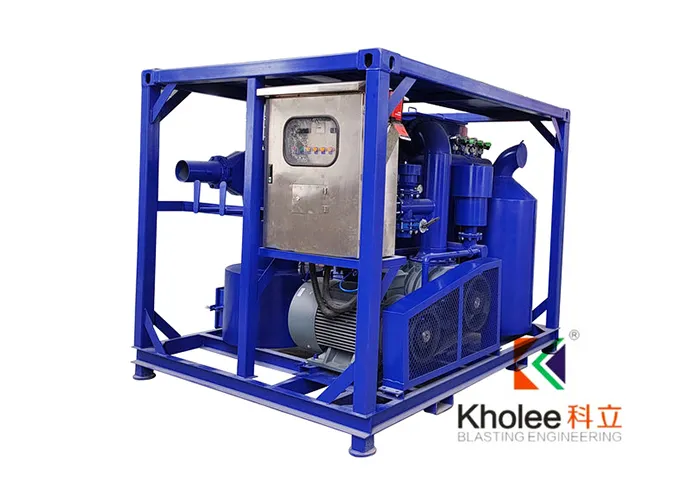
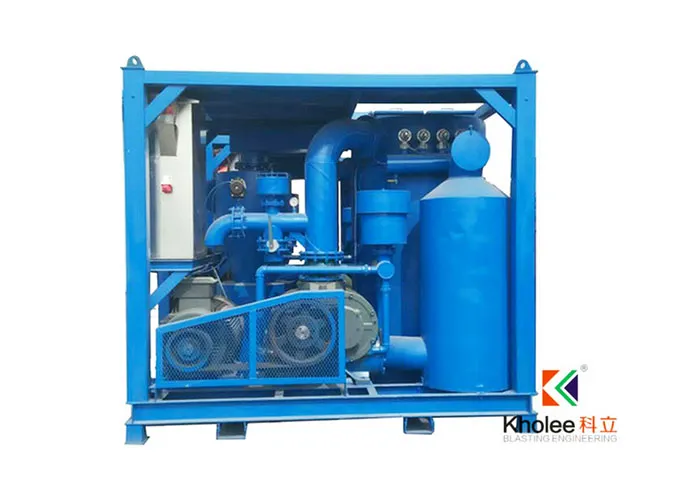
This system typically consists of several key components, including a vacuum generator (pump), dust collector, abrasive collector, filter screen, piping system, and control system. Its design principle is usually based on vacuum suction and negative pressure operation. The system uses pipes and a vacuum system to suck the abrasives into the collector, then separates impurities from the abrasives through a cleaning and filtering system, and finally returns the cleaned abrasives for reuse.
II. Working Principle of Abrasive Vacuum Recovery System
The working principle of an abrasive vacuum recovery system can be divided into several main steps:
Vacuum Suction Generation
The core working principle of the abrasive vacuum recovery system is the generation of negative pressure by a vacuum pump (or vacuum generator). The vacuum pump, driven by electricity, generates powerful suction. Under the action of negative pressure, the abrasives in the work area are sucked into the system. These abrasives may come from sandblasting equipment, shot blasting machines, or other similar mechanical devices. The negative pressure not only effectively sucks the abrasives into the collection system but also absorbs dust and impurities from the air.
Abrasive Suction and Transportation
Through dedicated suction pipes, nozzles, or suction ports, the abrasives are sucked into the piping system and transported through the pipes to the dust collector or abrasive collector. The pipes usually have a large diameter to ensure that they can accommodate a large amount of abrasive material and prevent clogging. Due to the relatively large particle size of the abrasive material, the pipeline design usually needs to have strong wear resistance and ensure the stability of suction to ensure that the abrasive material can be quickly and efficiently transported to the collection area.
Abrasive Separation and Filtration
Once the abrasive material is sucked into the system, the next crucial step is to separate and filter impurities from the abrasive material. Most abrasive recovery systems are equipped with filtration systems, such as multi-stage filters and cyclone separators. These filtration devices can effectively remove dust, waste, impurities, and other contaminants from the abrasive material, ensuring that the recovered abrasive material maintains a high degree of purity.
The filtration system typically uses physical separation methods to separate impurities from the abrasive material through multi-layer mesh filter elements, activated carbon filter elements, and other materials. After filtration, the clean abrasive material can be recycled and sent back to the sandblasting equipment for reuse, reducing abrasive material loss.
Abrasive Recovery and Reuse
The filtered abrasive material is transported to an abrasive storage bin or recovery tank for the next round of use. The abrasive particles are collected and stored for subsequent sandblasting work. In some advanced systems, the abrasive material may be further processed through vibration, cleaning, and other means to ensure its quality and extend its service life.
Emission and Air Purification
To ensure clean air during system operation, abrasive vacuum recovery systems are usually equipped with air purification devices, such as high-efficiency air filters and dust collectors, to ensure that tiny dust particles in the air are not discharged into the environment, meeting environmental protection requirements. This not only helps maintain a clean production environment but also improves worker health and safety.
III. Key Components of the Abrasive Vacuum Recovery System
Vacuum Pump
The vacuum pump is the core component of the abrasive vacuum recovery system. It is responsible for generating negative pressure and suction, thereby sucking in and transporting the abrasive material. The performance of the vacuum pump directly determines the efficiency and suction power of the system. The appropriate pump type, such as a dry vacuum pump or liquid ring vacuum pump, should be selected based on the requirements of the working environment.
Collector and Container
The collector or container is the storage part of the abrasive recovery system, used to temporarily store the abrasive material sucked in from the work area. These containers are usually designed with a sealed structure, can withstand a certain amount of wear, and have features that facilitate cleaning and replacement.
Filtration System
The filtration system is a crucial link in ensuring the purity of the recovered abrasive material. Common filtration devices include cyclone separators, bag filters, and HEPA high-efficiency filters. These filters effectively remove dust, debris, and other contaminants from the abrasive material, ensuring that the recovered abrasive meets quality requirements.
Piping System
The piping system transports the aspirated abrasive material from the work area to the collector. To prevent clogging or damage to the pipes during transport, the pipes are typically made of wear-resistant materials, and the piping design needs to be flexible to adapt to complex working environments.
Control System
Abrasive vacuum recovery systems are usually equipped with an automated control system to monitor and regulate the system's operating status. This includes functions such as negative pressure monitoring, filter system cleaning reminders, and abrasive storage monitoring. High-end systems may also be equipped with intelligent control modules for remote monitoring and automatic adjustment.
IV. Application Areas of Abrasive Vacuum Recovery Systems
Abrasive vacuum recovery systems are widely used in industrial fields requiring abrasive recovery and management, particularly in surface treatment and cleaning. Some major application areas include:
Sandblasting
Sandblasting is a common surface treatment process often used for cleaning, polishing, and rust removal of materials such as metal, stone, and glass. During sandblasting, abrasive material is continuously used and scattered into the air. An abrasive vacuum recovery system collects and reuses this abrasive material, significantly reducing waste.
Shot Peening
Shot peening is a process that improves the hardness and strength of metal surfaces by high-speed spraying of small abrasive particles, widely used in the aerospace and automotive manufacturing industries. The large amount of abrasive dust generated during shot peening not only wastes resources but also affects the cleanliness of the working environment. An abrasive vacuum recovery system efficiently recovers and reuses the abrasive material used in the shot peening process.
Machining and Cleaning
In some machining processes (such as casting and metal cutting), the use of abrasives is very common. An abrasive vacuum recovery system can recover the abrasive material used during processing and reduce the discharge of post-processing waste. In addition, the system effectively maintains a clean working environment, preventing abrasive material from scattering into the work area, thereby reducing cleaning costs and time.
Powder Coating
Powder coating is another common coating method, widely used in the automotive and home appliance industries. Abrasive vacuum recovery systems can recover abrasive materials scattered during the coating process, preventing paint contamination of the environment and improving resource utilization.
V. Advantages of Abrasive Vacuum Recovery Systems
Resource Saving
Abrasive vacuum recovery systems effectively reduce the waste of abrasive materials. The recovered abrasives can be cleaned and reused, reducing the demand for abrasives in the production process. This not only reduces operating costs for enterprises but also promotes resource recycling.
Improved Work Efficiency
Through efficient abrasive recovery and cleaning mechanisms, abrasive vacuum recovery systems ensure the continuous operation of processes such as sandblasting and shot blasting, reducing equipment downtime. The use of automated control and filtration systems improves equipment efficiency and production line operation efficiency.
Optimized Working Environment
Abrasive vacuum recovery systems effectively prevent abrasive materials from scattering into the air, reducing air pollution and dust generation, and improving the working environment for workers. Lowering the concentration of dust in the air helps improve worker health and production safety.
Compliance with Environmental Requirements
With increasingly stringent environmental regulations, many industrial sectors now require companies to adopt environmentally friendly measures to reduce dust pollution and waste emissions. Abrasive vacuum recovery systems comply with these environmental requirements, reducing the emission of abrasives and other waste materials, helping companies meet environmental standards.
VI. Conclusion
Abrasive vacuum recovery systems are important industrial equipment designed to recover used abrasive materials through vacuum suction and clean them for reuse. Through an efficient recovery system, it can not only reduce production costs but also improve work efficiency and optimize the working environment. With increasing environmental requirements, abrasive vacuum recovery systems are gradually becoming an important component of industrial manufacturing and surface treatment fields, playing a significant role in resource recycling and reducing environmental pollution.
Recommended Products
Contact US
Product Information
Quantity
Unit
Piece
Support order samples, customization, wholesale direct, and complete payment. If the product you look for does not have corresponding customized content, pls fill out the form below to contact us, and we will reply ASAP.