
 Português
What are the advantages of using an air-cooled dehumidifier?
Browse services
- Petroleum and Gas
- Which industries use shot blasting machines?
- Which industries typically use abrasive vacuum recovery systems?
- Is shot blasting machine operation environmentally friendly?
- What key features should you consider when choosing an industrial air-cooled dehumidifier?
- What are the advantages of using a shot blasting machine compared to manual methods?
- How to troubleshoot common problems with shot blasting machines?
- How to maintain an abrasive vacuum recovery system?
- How to maintain the high efficiency performance of industrial air-cooled dehumidifiers?
- What safety precautions should be observed when operating a shot blasting machine?
- Can shot blasting machines be used to clean metal surfaces?
- What are some common problems with industrial air-cooled dehumidifiers?
- What materials can be used as abrasives in a shot blasting machine?
07 Nov
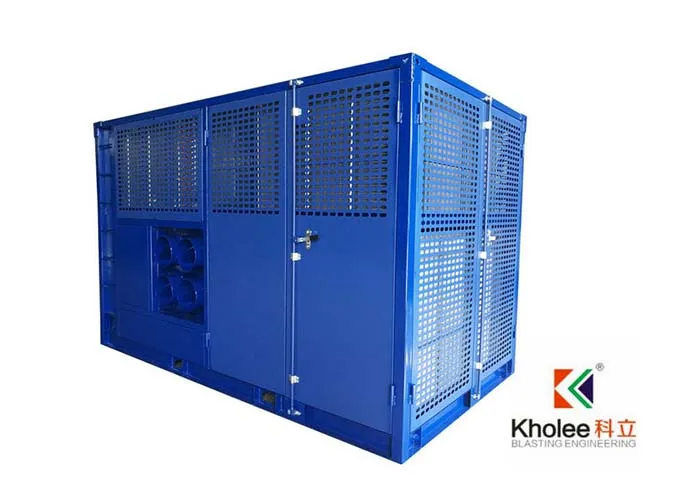
Industrial air-cooled dehumidifiers, as specialized dehumidification equipment for industrial environments, are widely used in various industrial production, warehousing, equipment protection, and laboratory settings. Their core function is to reduce air humidity through a highly efficient dehumidification system, thereby preventing the negative impacts of moisture on industrial processes, product quality, equipment operation, and employee health. Unlike household and commercial dehumidifiers, industrial air-cooled dehumidifiers typically require higher dehumidification capacity and greater durability to adapt to large-scale production environments and various complex working conditions.
This article will explore the multiple benefits of using industrial air-cooled dehumidifiers in detail, helping businesses and industrial sectors understand their importance and practical application value.
I. Improving Product Quality and Ensuring Production Stability
In many industrial sectors, humidity significantly impacts product quality. For example, in electronics manufacturing, food processing, pharmaceuticals, and chemical production, excessive humidity can lead to problems such as dampness, mold, spoilage, deformation, and aging of products, thus affecting product quality and safety. Using industrial air-cooled dehumidifiers can effectively reduce air moisture, creating a more stable production environment.
Electronics Manufacturing: In the production of electronic products, high humidity can cause short circuits, corrosion, and damage to circuit boards and components. Moisture can even lead to product failure. Industrial air-cooled dehumidifiers can maintain a relatively dry environment, preventing moisture from damaging electronic components and ensuring the long-term stability and lifespan of electrical products.
Food Processing and Packaging: Food production and packaging require very strict humidity control. Excessive moisture can lead to food spoilage and mold growth, especially in the storage of dry goods and packaged foods. Air-cooled dehumidifiers help maintain a low-humidity environment, ensuring the quality and hygiene of food and extending its shelf life.
Pharmaceutical Industry: In pharmaceutical production, humidity profoundly affects the quality of medicines. High humidity can affect the solubility and stability of drugs, and may even lead to drug deterioration or failure. By installing air-cooled dehumidifiers, pharmaceutical companies can control workshop humidity, ensuring the accuracy of the drug production process and the high quality of the final product.
Chemical Production: The production and storage of chemicals often involve many hygroscopic raw materials. If the humidity is too high, it may lead to changes in chemical reactions, deterioration, or contamination of substances. Therefore, industrial air-cooled dehumidifiers regulate humidity, preventing raw materials from becoming damp, ensuring the stability of chemical reaction processes, and thus improving the quality of the final product.
II. Protecting Equipment and Extending Service Life
Industrial equipment, machinery, and electronic instruments are prone to malfunctions in humid environments; corrosion and rust are common effects of moisture. For example, the electrical parts of industrial equipment may experience leakage and short circuits in high humidity, leading to equipment damage; metal components exposed to moisture for a long time are prone to rusting, affecting their normal operation. To avoid these problems, using an industrial air-cooled dehumidifier can significantly reduce the probability of equipment failure and extend the service life of the equipment.
Preventing electrical equipment failure: Electrical equipment is susceptible to moisture and corrosion in humid environments. Moisture can reduce electrical insulation, increasing the risk of leakage or short circuits. Industrial air-cooled dehumidifiers control humidity, keeping the environment around the equipment dry, reducing electrical failures, and ensuring safe and efficient operation of the equipment.
Avoiding metal corrosion and rust: Metal parts of mechanical equipment and production tools are prone to oxidative corrosion if exposed to high humidity for a long time, leading to rusting. Dehumidifiers maintain a dry environment, preventing metal surface oxidation, extending the service life of the equipment, and reducing maintenance costs.
Reducing maintenance costs: Damage to equipment due to moisture leads to frequent maintenance and replacement of parts, thus increasing operating costs. Using an air-cooled dehumidifier can reduce the incidence of equipment failure, reduce maintenance workload and downtime, thereby significantly saving production costs.
III. Improving the Comfort and Safety of the Working Environment
In many industrial environments, the health and comfort of workers are often affected by humid environments. Prolonged exposure to high humidity can cause employees to experience joint pain, muscle stiffness, and allergic reactions. In addition, moisture can easily lead to water accumulation on workshop equipment, increasing the risk of accidents such as slips and falls. Therefore, using an industrial air-cooled dehumidifier can improve the workshop environment and provide healthier and safer working conditions.
Enhancing employee health: Humid environments can cause respiratory problems in employees, leading to allergic symptoms and skin diseases such as eczema. Moisture also promotes the growth of mold and bacteria in the air, leading to impaired employee health. Air-cooled dehumidifiers reduce humidity, reducing the growth of bacteria and mold, creating a healthy working environment for employees. Improving Employee Comfort: In humid environments, employees often feel uncomfortable. High humidity and temperature can lead to physical discomfort and decreased work efficiency. By regulating humidity, air-cooled dehumidifiers help employees stay dry, enhancing comfort and improving work motivation and efficiency.
Reducing Accident Rates: Humidity can cause slippery floors, increasing the risk of workplace injuries. Especially in factories, warehouses, and workshops, wet floors are prone to slip-and-fall accidents. Industrial air-cooled dehumidifiers can reduce humidity in the air, thereby reducing slippery floors and ensuring employee safety.
IV. Protecting Stored Goods and Preventing Moisture Damage
Many industrial enterprises need to store large quantities of raw materials, finished products, or semi-finished products during the production process, and these items have strict requirements regarding humidity. Excessive humidity can lead to moisture damage, mold, rot, and deformation of goods, and may even affect their sales and market value. Especially for items stored in warehouses such as metal materials, electronic components, chemicals, and textiles, excessive humidity can lead to a decline in the quality of these items, causing significant losses to the enterprise.
Preventing Inventory Damage from Moisture: Many raw materials and inventory goods are very sensitive to humidity; excessive humidity can cause products to become damp or deteriorate. For example, plastic products may deform in excessively humid environments, metal materials are prone to rust, and paper products are prone to mold. Air-cooled dehumidifiers can maintain the humidity in the warehouse within a reasonable range, preventing inventory items from getting damp and ensuring their quality.
Avoiding Chemical Reactions: Many chemicals are prone to reactions in humid environments, and may even deteriorate or become ineffective. Air-cooled dehumidifiers can maintain suitable humidity, preventing unnecessary reactions caused by moisture in chemicals, ensuring the safety and effectiveness of chemicals stored in the warehouse.
Ensuring Precision Equipment is Not Affected by Humidity: In some industries with extremely strict humidity requirements, such as precision instrument manufacturing and electronic product storage, excessive humidity can seriously affect equipment performance and even cause damage. Air-cooled dehumidifiers can provide precise humidity control, ensuring that these high-precision devices are not affected by moisture during storage.
V. Improving Energy Efficiency and Reducing Operating Costs
Industrial air-cooled dehumidifiers not only efficiently remove moisture but also help enterprises reduce energy consumption and lower overall operating costs. Compared with traditional air conditioning dehumidification systems, air-cooled dehumidifiers have higher energy efficiency ratios and lower energy consumption. Reducing the burden on air conditioning: Traditional air conditioning systems indirectly control humidity by adjusting temperature, often requiring a large amount of energy for cooling, while the humidity control effect is limited. Industrial air-cooled dehumidifiers, on the other hand, focus on dehumidification, more efficiently completing the humidity control task, reducing the burden on air conditioning, and thus lowering overall energy consumption.
Saving energy costs: The efficient working principle of air-cooled dehumidifiers can quickly remove moisture from the air while maintaining a stable indoor temperature. This energy-saving design helps reduce energy costs for businesses, especially in industrial environments requiring long-term operation, where the energy savings can be substantial.
Reducing equipment maintenance costs: Industrial equipment exposed to moisture for extended periods is prone to malfunctions, requiring frequent repairs and replacement of parts. Using an air-cooled dehumidifier to maintain a dry environment can extend the lifespan of equipment and reduce maintenance and replacement costs.
VI. Conclusion
The application of industrial air-cooled dehumidifiers in industrial environments brings significant benefits. By reducing humidity, it not only improves product quality, protects equipment, improves the working environment, and reduces safety hazards, but also lowers operating costs and improves energy efficiency. Whether in food processing, electronics manufacturing, chemical production, or warehousing and precision equipment storage, air-cooled dehumidifiers can improve overall production efficiency while ensuring production and storage safety. With continuous technological advancements, the performance of air-cooled dehumidifiers will continue to improve, and they will play an increasingly important role in the industrial sector in the future.
Recommended Products

Contact US
Product Information
Quantity
Unit
Piece
Support order samples, customization, wholesale direct, and complete payment. If the product you look for does not have corresponding customized content, pls fill out the form below to contact us, and we will reply ASAP.